

Philadelphia Zoo and Amaru Bioparque: The Power of Partnership
The natural world has billions of years of experience in efficiency and resiliency that can serve as lessons for those who are willing to learn.
Lessons in partnerships, for example, that can lead to mutual beneficial outcomes. Take oxpeckers and large mammals for instance. The birds eat pesky ticks and parasites off of rhinos and zebras, and also warn against dangers. Or consider how plovers eat decaying meat from the teeth of crocodiles providing a free dental cleaning for the large reptiles. As the first zoological society in the country, Philadelphia Zoo has long since embraced the importance of partnerships with other organizations. These decades-long collaborations have not just produced synergistic results but have also led to effective change in the world of wildlife. One such partnership has been with Amaru Zoológico Bioparque.
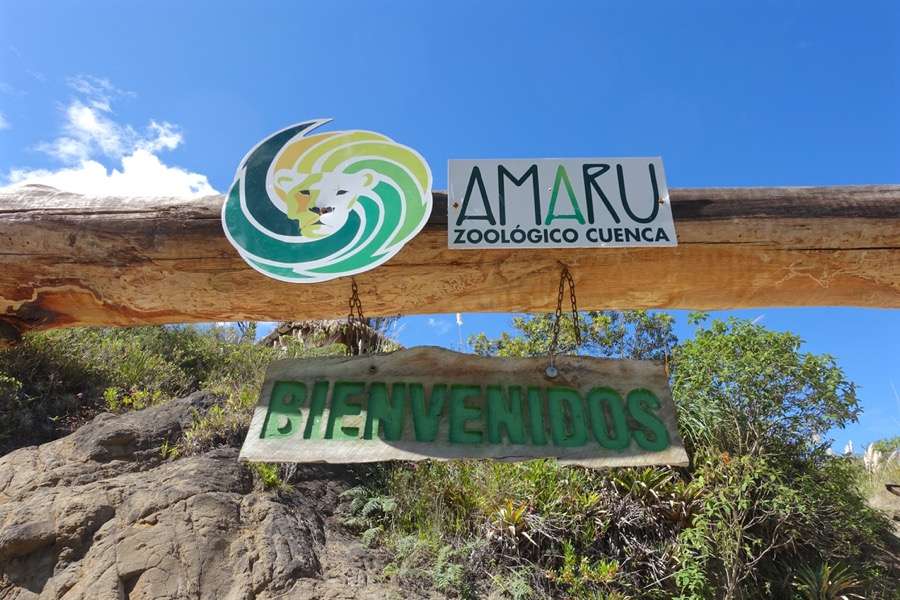
Amaru Bioparque is a nonprofit, environmental zoological organization in Ecuador that was founded in 2002. It seeks to educate and inspire the community to protect the country’s biodiversity through a number of areas that make up its park. Philadelphia Zoo began its relationship with Zoo Amaru back in 2010 to protect several species of threatened frogs native to Ecuador. The partnership fostered a robust amphibian conservation program which eventually led to the creation of an in-country breeding facility for critically endangered Ecuadorian amphibians called the Amphibian Conservation Center. This past November, Philadelphia Zoo sent Veterinary Technician, Christine Homont; Director of Birds, Christina O’Donnell; and Assistant Director of Herpetology, Danielle Regan to Ecuador to help support the care of Zoo Amaru’s amphibian, reptile, and bird collections.

Over the course of five days, the Philadelphia Zoo team served as a resource and additional animal care staff. They helped with veterinary exams, enrichment, and field work. They shared best practices in preventative care such as the importance of husbandry in maintaining animal health, and reviewed exhibit designs and training techniques. The team also brought along much needed supplies that are not easily accessible in Ecuador like, an incubation container, reptile heaters and foggers, medical monitors, and even some medication.
“At Philadelphia Zoo, we educate everyone who comes through our gates and through our partnerships, we are able to extend that reach even further,” explains Christine Homont. “Trips like this allow us to spread our knowledge and expertise, but they also allow us to grow as professionals by being in the field and seeing conservation first hand.” The two organizations are currently in discussions around welcoming Zoo Amaru staff to Philadelphia to learn and bring methods and techniques back to Ecuador.
In situ conservation preserves species in their natural habitats and protects both the wildlife and the environment. Partnering with organizations that conduct on-site conservation like Zoo Amaru is critical to the mission of Philadelphia Zoo and saving species.
Support Our Conservation Efforts
Your gift to Philadelphia Zoo makes a difference for animals here and around the world.
Related Reading
 Zoo Updates
Remembering Makini
Education
The Art of Mingling
Philanthropy